

On paper, the 2026 World Cup final was a classic. Spain, the European champions, defeated defending champions Argentina 1‑0 after extra time at MetLife Stadium in New Jersey, with Ferran Torres scoring the only goal in the 106th minute. It was Spain's second World Cup title, a triumph of possession football and tactical discipline. But on the pitch, and long before the final whistle, something else was unfolding — a crisis of integrity that has left the beautiful game battered and bruised.
Within hours of the final, the Council of Europe had issued a scathing open letter questioning the integrity of the entire tournament. Europe's top human rights body, which includes 46 nations, warned that "money and power" had become a crisis for FIFA and the World Cup. "The next crisis has already begun," wrote Swiss politician Alain Berset, the Council's secretary general. "It has two names: money and power." The timing was deliberate — hours before the final, Berset published his letter, ensuring that the questions would not end with the celebration.

The Balogun Affair: When Politics Bent the Rules
At the centre of the storm was the extraordinary case of United States forward Folarin Balogun. After receiving a red card, Balogun faced an automatic one‑match suspension. But then, something unprecedented happened. US President Donald Trump personally called FIFA President Gianni Infantino to lobby for the ban to be overturned. Within days, the suspension was lifted, and Balogun was free to play in the last‑16 tie against Belgium.
The decision was met with fury across the football world. UEFA — European football's governing body — condemned the move as "unprecedented, incomprehensible and unjustifiable". "When the certainty of rules is no longer guaranteed by its guardians, the integrity of the game is at stake," UEFA said in a statement. The Council of Europe's Berset was even blunter: "When the rules bend under pressure, every result is open to doubt. Political influence has also moved onto the field. A sanction suspended mid‑tournament came after a head of state called the president of FIFA."
The Guardian reported that FIFA has yet to publish documents explaining the reasoning of its disciplinary judge from the United Arab Emirates. The decision, which UEFA said crossed "a red line" in football's rule of law, highlighted the growing influence of politics on the sport. Trump is also expected to award the World Cup trophy to the winner — a move that has drawn sharp criticism.
VARgentina: The Conspiracy That Wouldn't Die
Even before the final, conspiracy theories were swirling. The term "VARgentina" went viral on social media, with fans accusing FIFA of rigging the tournament in favour of Lionel Messi's Argentina. The allegations were fuelled by a series of controversial refereeing decisions that seemed to favour the defending champions.
The conspiracy reached fever pitch after Argentina's controversial win over Egypt in the quarter‑finals. Egypt winger Mostafa Ziko declared: "This tournament has been fixed," while coach Hossam Hassan said: "This match was rigged, and the whole world saw it." The Egyptian Football Association formally complained to FIFA, calling the match "clearly rigged".
As Daily Maverick observed, "a conspiracy developed that the perennially corrupt Fifa had hatched a plan to gift Lionel Messi his ultimate farewell. He had to lift the trophy to make this World Cup the most memorable, so Infantino ensured the referees would make this happen." Some strange decisions certainly supported the theory. Argentina's 113 fouls across the tournament made them the first team in World Cup history to break the 100‑foul barrier — yet they received only 14 yellow cards.


The Ronaldo Factor: A Like That Shook the World
Just hours after the final, Cristiano Ronaldo's verified Instagram account appeared to 'like' a video post accusing FIFA of corruption and claiming officials attempted to hand the 2026 World Cup to Lionel Messi. The video, posted by Spanish television channel Antena 3's programme Espejo Público, featured guests calling FIFA "one of the most corrupt institutions on planet Earth" and a "mafia‑style organisation".
"Argentina are a team who should have been eliminated approximately five matches ago, but with the help of FIFA, which is one of the most corrupt institutions on planet Earth," said Spanish journalist Pilar Rodríguez Losantos in the video. "I'm not afraid of Argentina — I'm afraid of Infantino." The post quickly went viral, with "#C罗点赞FIFA腐败" trending number one on Weibo in China.
It remains unclear whether Ronaldo personally 'liked' the post or whether it was a result of a hacked account or a social media manager's error. But the damage was done. The incident reignited the long‑standing Ronaldo‑Messi rivalry and added fuel to the already raging fire of corruption allegations.
The UEFA Boycott: A Red Line Crossed
The political interference and refereeing controversies were too much for UEFA President Aleksander Ceferin. In an unprecedented protest, Ceferin boycotted the World Cup final. While he had travelled to Mexico City for the opening game, he refused to attend the showpiece clash in New Jersey.
The boycott was a direct response to the Balogun affair and a series of other disputes, including the denial of entry to Somali referee Omar Abdulkadir Artan, who was unable to officiate at the tournament after being refused entry to the United States. UEFA responded by appointing Artan to officiate the UEFA Super Cup next month. Ceferin is also firmly against many other changes driven by Infantino, including extended half‑time shows and a proposed 64‑team World Cup.
Betting on Every Pass: The $150M Open Door to Fraud
Adding to the integrity crisis was FIFA's decision to sign a prediction market sponsor deal reportedly worth $150 million with ADI Predictstreet — a company created just one week before the agreement. As The Guardian reported, the Council of Europe warned that betting had now moved from match results to "moments a single player can produce without changing the score".
"It is an open door to fraud," Berset wrote. "And this World Cup has opened the door wider." He criticised the scale of sports betting around football, warning that allowing bets on every pass, card and corner increases the risk of fraud. "For the first time, FIFA had a prediction market, Kalshi, as an official partner." The Council of Europe, which has a formal working agreement with FIFA signed by Infantino in 2018, aired its concerns publicly — a rare and significant break from diplomatic norms.
On‑Field Chaos: The Final Brawl
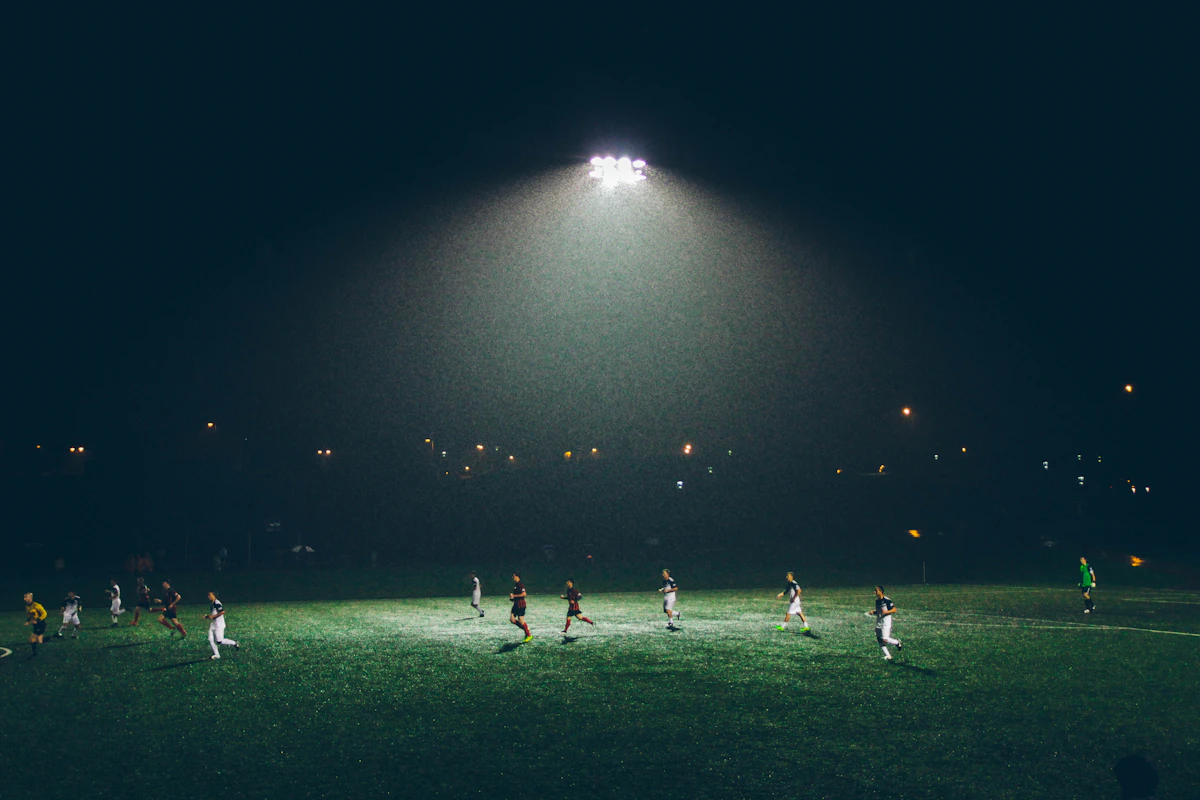
The controversy didn't end at the final whistle. As Spain celebrated their victory, a chaotic brawl erupted on the pitch. Argentina's Leandro Paredes appeared to grab Spain's Eric Garcia by the throat and push Gavi to the ground, while Nahuel Molina appeared to strike Spain's captain Rodri. Argentina assistant coach Roberto Ayala was also seen apparently striking Dani Olmo.
FIFA has opened an investigation into the violent scenes. Several Argentina players now face bans. FIFA is also investigating Argentina's conduct after their semi‑final win over England, when players celebrated with a banner proclaiming "Las Malvinas son Argentinas" — a political statement that violates FIFA's rules.
FIFA's Response: Denial and Deflection
FIFA has pushed back against the allegations. Its Integrity Task Force claimed it identified no suspicious betting activity during the tournament. The organisation insisted that all 104 tournament matches were monitored in real time. But critics point to the timing — the announcement came just hours after the Council of Europe's scathing letter, and FIFA's defensive posture has done little to reassure sceptics.
As CBC News reported, experts say FIFA, known for blatant corruption in the past, is making it difficult for fans to trust the sport. "It's been one of the most controversial World Cups. I think that's fair to say," said Alan McDougall, professor of history at the University of Guelph. "I don't feel that it's breaking the mould, but the debates around it are more widespread and more intense."
The Legacy: A Sport at a Crossroads
The 2026 World Cup will be remembered for many things: the dramatic final, Ferran Torres's match‑winning goal, Spain's European‑record 38‑match unbeaten run. But it will also be remembered for the controversies that threatened to overshadow the football. From political interference to corruption allegations, from the "VARgentina" conspiracy to the unprecedented intervention of a head of state, the tournament has left the sport at a crossroads.
As Berset wrote in his letter: "The celebration will end tonight. The questions will not." The Council of Europe has called for a "working dialogue that starts tonight, to build the integrity framework of the 2030 World Cup before it is played." Whether FIFA will listen — or whether the beautiful game will continue to be tainted by money and power — remains the $10 billion question.
For now, the final whistle has blown. The trophy has been lifted. But the controversy surrounding the 2026 World Cup final will linger long after the celebrations have faded.
📚 Further Reading & References
Explore these authoritative sources cited throughout this article:
- BBC Sport — Uefa president boycotts World Cup final Comprehensive coverage of the UEFA‑FIFA rift and Ceferin's protest
- The Guardian — Fifa gives fraud 'an open door' with betting Council of Europe's scathing rebuke and the prediction market controversy
- The Guardian — Argentina players face bans after final brawl FIFA investigation into post‑match violence and political banners
- CBC News — Is this the most controversial World Cup yet? Expert analysis on fan trust and the erosion of integrity
- BBC Sport — UEFA says FIFA crossed 'a red line' over Balogun ban UEFA's condemnation of political interference in disciplinary decisions
- ABC News — Council of Europe questions World Cup integrity The full text of Berset's open letter and its implications
- Daily Maverick — Magical moments amid all the messy stuff Analysis of the conspiracy theories and Argentina's controversial run
- Times of India — Europe's top rights body calls out FIFA The timing and significance of the Council of Europe's intervention
Disclaimer: This article is for informational and editorial purposes only. The allegations and controversies discussed are based on publicly available reports from authoritative sources. All parties referenced have the right to respond.


No comments:
Post a Comment