
In the world of synthetic indices, the Crash 1000 stands as the mirror image of its bullish counterpart — a high‑volatility instrument designed to simulate sudden, dramatic downward movements. While the Boom 1000 rewards those who anticipate upward spikes, the Crash 1000 offers a unique opportunity for traders who can read the signs of an impending downturn. This comprehensive guide explores the strategies, risk management techniques, and psychological discipline required to master this fascinating market.
Offered on the Deriv platform, the Crash 1000 index simulates the price action of a rapidly depreciating asset, punctuated by sudden, sharp downward movements (the “crash” events). According to Deriv's official documentation, these indices are designed with a tick‑based probability model where each index has a defined average number of ticks between crashes — 1000 in this case — making them statistically predictable yet timing‑wise unpredictable.

What Makes the Crash 1000 Unique?
Unlike traditional indices that are influenced by macroeconomic data, corporate earnings, or geopolitical events, the Crash 1000 operates in a vacuum of algorithmic randomness. As ThinkMarkets explains, Crash indices are synthetic instruments designed to model rare but significant downward price movements, available 24/7 on ThinkTrader and MT5. The price is generated by a cryptographically secure algorithm rather than global financial events, ensuring that the market is always accessible — a feature that has driven its explosive popularity.
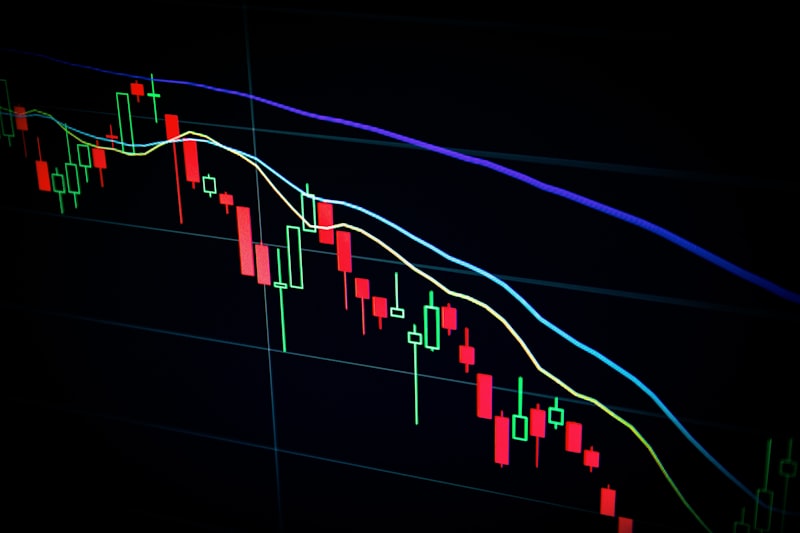
The defining characteristic of the Crash 1000 is its inherent bearish bias. Over the long term, the index trends downward, punctuated by sudden “crash” events that can drop 5‑10% in minutes. This creates a unique trading environment where the default direction is down, but timing the crashes remains the ultimate challenge. As Weltrade's Help Center outlines, synthetic indices are algorithm‑generated instruments available 24/7, unaffected by news or politics, with price moves generated by algorithms that mimic real‑market behaviour without outside influence.
Key Features of the Crash 1000
Downward Momentum
Trends negatively over the long term, with periodic “crash” events that can drop 5‑10% in minutes.
Crash Frequency
Crash events are random but statistically consistent. As ThinkMarkets notes, the numbers (300, 600, 1000) indicate how often these movements are expected to occur.
Tick Precision
Updates every 1‑2 ticks per second, providing ample data for scalpers and algorithmic traders.
The Crash 1000's volatility is both its greatest asset and its most significant risk. Daily average ranges can exceed 15‑20%, offering substantial profit potential for those who can correctly time entries and exits. However, that same volatility can lead to rapid drawdowns if not managed with disciplined stop‑losses and position sizing. Deriv's leverage guide explains that indices like Volatility 75, Crash 500, Boom 1000, and Step Index are powered by audited random number engines that mimic real‑market behaviour without outside influence. For beginners, BabyPips' risk management guide is an essential companion.

Proven Strategies for Crash 1000
1. Crash Anticipation (Counter‑Trend)
This approach involves looking for overbought conditions during a retracement or consolidation. Using oscillators like RSI (set to 14 periods) and Stochastic, traders wait for readings above 70 before entering short positions. The goal is to capture the subsequent downward crash. This strategy requires patience — false signals are common, so confluence with resistance levels is critical. Hantec Markets provides a detailed walkthrough of this approach, noting that the strategy revolves around specific, expected events within the Boom 1000, Boom 500, Crash 1000, or Crash 500 Indices.
2. Momentum Riding (Trend‑Following)
When a crash is confirmed — characterised by a sharp downward candlestick with high volume — momentum traders enter late but ride the wave using trailing stops. This strategy often yields smaller, more frequent gains and is suitable for those who prefer active intraday trading. Moving averages (MA 50 and MA 200) help confirm the trend direction. ThinkMarkets covers the full suite of synthetic indices including the Boom 1000 index, Crash 1000 index, and Jump indices, backed by fast execution and tight spreads. Using a platform like TradingView can help visualise these trends with custom indicators.
3. Scalping the Tick
Given the high tick frequency, scalpers trade on 1‑minute or 2‑minute charts, taking small profits on quick downward retracements. This method demands lightning‑fast execution and a strong understanding of order flow. Automated Expert Advisors (EAs) are increasingly used to remove emotional bias and improve speed. The MQL5 community has extensively analysed the Crash 1000, noting that the market is characterized by slow, short and equally sized bull candles that are randomly followed by violent, skyscraper sized bear candles. This has led many developers to create specialised EAs for Crash 1000 trading.
Risk Management: Your Ultimate Edge
The Crash 1000's allure can quickly become a trap for the undisciplined. Because of its inherent downward bias, many traders fall into the fallacy of averaging down, only to be caught in a deeper retracement before the next crash. The cardinal rule: never risk more than 2‑3% of your account on a single trade. Use fixed stop‑losses, and consider using hedging strategies with Boom indices to balance your portfolio. As Weltrade advises, always set a stop‑loss, never risk more than 1‑2% of your account balance on a single trade, and avoid overleveraging. For a deeper dive, DailyFX's trading psychology section offers excellent insights.
Moreover, due to its 24/7 nature, the Crash 1000 can move significantly during off‑peak hours when liquidity is thinner. Setting alerts and using pending orders (sell limits and stop‑losses) can protect positions while you sleep. Many seasoned traders allocate specific sessions — such as the London or New York overlap — for their most active trading, knowing that volatility tends to peak during these windows. Investopedia's guide to trading sessions is a helpful reference for planning your schedule.
Psychological Discipline
Trading the Crash 1000 is as much a psychological battle as it is a technical one. The bearish bias can create a sense of urgency — a feeling that you must catch every crash or miss out on the next opportunity. This FOMO (fear of missing out) is the greatest enemy of the Crash trader. Discipline means waiting for high‑probability setups, accepting that you will miss some crashes, and understanding that the market will always present another opportunity. BabyPips' trading psychology section offers excellent strategies for maintaining emotional balance.
Final Thoughts
The Crash 1000 index is a testament to the power of synthetic market design. It offers a pure, news‑free environment where technical prowess and psychological fortitude are the only determinants of success. Whether you are a scalper seeking rapid gains or a swing trader capturing major crashes, this index provides a canvas as broad as your ambition — and as unforgiving as your mistakes.
As the synthetic indices universe expands, the Crash 1000 remains a cornerstone instrument — a dynamic, accessible, and endlessly fascinating market that rewards those who treat it with the respect it deserves. Master the Crash, and you master a critical dimension of synthetic trading. For ongoing education, follow resources like BabyPips, DailyFX, and the Deriv Blog for the latest updates and strategies.
📚 Further Reading & References
Explore these authoritative sources cited throughout this article:
- Deriv — Crash/Boom Indices Official Guide Official documentation from the creator of Crash 1000
- ThinkMarkets — Trade Crash 1000 Comprehensive overview of Crash 1000 trading on ThinkTrader and MT5
- ThinkMarkets — How to Trade Synthetic Indices Step‑by‑step guide covering the full synthetic indices suite
- Hantec Markets — Boom & Crash Indices Trading 2026 Strategies, psychology, and walkthroughs for Boom and Crash trading
- Weltrade — Synthetic Indices: The Essentials How synthetic indices work, top strategies, and how to get started
- MQL5 — Cracking The Crash 1000 Algorithm In‑depth technical analysis and EA development for Crash 1000
- Deriv — Leverage on Synthetic Indices Explained Understanding leverage, margin, and risk management on Deriv
- Investopedia — Synthetic Index Definition General financial definition and context for synthetic instruments
- BabyPips — Forex & Trading Education Essential risk management and trading psychology resources
- DailyFX — Technical Analysis & Market News Technical analysis tools and educational content for traders
Disclaimer: Trading synthetic indices involves substantial risk. Past performance is not indicative of future results. Always trade responsibly and consider seeking independent financial advice.



